01
Sacred Highlands
Stone, cloud and centuries of devotion.

Celebrating the right time to visit Ethiopia can make a significant difference in your travel experience. Thanks to its varied landscapes and high-altitude regions, the country enjoys a more temperate climate than many other African destinations.
Few destinations combine ancient history, dramatic landscapes, wildlife and living traditions quite like Ethiopia. From the museums and coffee houses of Addis Ababa to the fortified towns of Harar, the high plateaus of the Bale Mountains and some of Africa's most remarkable archaeological and religious heritage, Ethiopia offers a style of travel that feels distinctly its own.
Planning a trip here, however, requires more than choosing attractions from a list. Weather varies greatly between the highlands and lowlands, transport can take longer than expected, and access to some famous destinations can change because of regional security conditions.
This Ethiopia travel guide brings the essentials together in one place, including the best places to visit, when to travel, entry requirements, culture, food, wildlife, transport and practical advice for planning a more informed trip.
Stone, cloud and centuries of devotion.
Ethiopia is rewarding because the experiences are unusually varied. A single trip can combine archaeology, centuries-old religious traditions, mountain scenery, endemic wildlife, colourful markets and one of the world's most celebrated coffee cultures.
The country currently has 12 UNESCO World Heritage properties, including Lalibela's rock-hewn churches, Harar Jugol, the Konso Cultural Landscape, Bale Mountains National Park and Simien National Park. Ten of Ethiopia's listed properties are cultural and two are natural.
Travellers interested in nature can look for Ethiopian wolves and other highland wildlife, while history-focused visitors will find monuments linked to different periods of Ethiopia's long past. Food, music, traditional hospitality and the Ethiopian coffee ceremony add another dimension that cannot be understood simply by moving between landmarks.
For many visitors, the strongest reason to visit Ethiopia is that its heritage is not confined to museums. Religious observances, regional cuisines, crafts, markets and coffee traditions remain part of everyday life.
Communities, wildlife and open country.
Raw terrain with otherworldly colour.


Ethiopia’s festivals bring centuries-old faith, tradition and community life into the streets. Time your visit around these remarkable celebrations for a deeper connection with the country and its people.
Celebrated each January, Timkat commemorates the baptism of Jesus Christ with sacred processions, prayer, music and colourful ceremonial traditions.
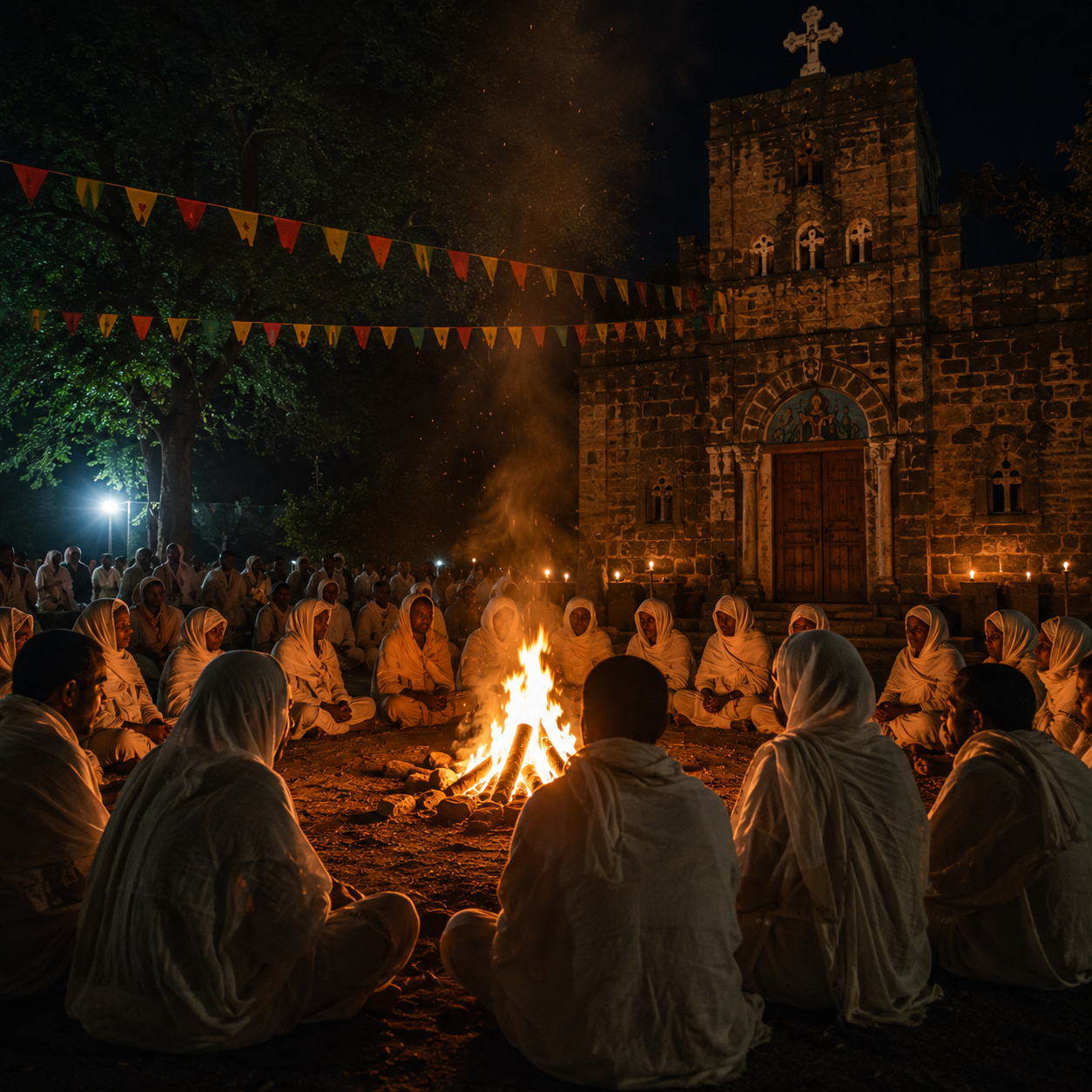
Held in late September, Meskel brings communities together for prayers, processions and the lighting of the traditional Demera bonfire.
Celebrated on 7 January, Genna is marked by church services, family gatherings and longstanding traditions that make Ethiopian Christmas distinctly memorable.
Find peace among Ethiopia's centuries-old monasteries, rock-hewn churches, and breathtaking mountain landscapes. Walk through the spiritual streets of Lalibela, admire the beauty of Lake Tana's island monasteries, and experience moments of quiet reflection surrounded by remarkable history.
The right places for your trip depend on current travel advice as well as your interests. Some of Ethiopia's most famous historical destinations are in areas currently covered by UK FCDO warnings, so do not assume that a classic itinerary from an older guidebook is appropriate today.
Most international trips begin in Addis Ababa, Ethiopia's capital and main aviation hub.
Rather than treating Addis simply as a stopover, allow time to explore its museums, religious landmarks, neighbourhoods, food and coffee culture. The city offers one of the easiest introductions to Ethiopia's history and contemporary identity.
Popular experiences include cultural museums, Ethiopian art, traditional restaurants, coffee houses, city viewpoints and green spaces such as the Entoto area.
Addis Ababa also sits at high altitude, so some travellers notice headaches, tiredness or shortness of breath during their first day. Keeping the first part of the trip relatively relaxed can make the transition easier. UK travel health guidance notes that altitude sickness can be a risk in parts of Ethiopia, including Addis Ababa.
Harar is one of Ethiopia's most atmospheric historic cities.
At its heart is Harar Jugol, the fortified historic town recognised by UNESCO. Its old lanes, traditional houses, places of worship and markets create a very different experience from the highland Christian heritage found elsewhere in Ethiopia.
Harar rewards slow exploration. Instead of trying to photograph every landmark, spend time walking with a knowledgeable local guide, learning about the city's architecture, religious history, food and trading traditions.
Because regional conditions and transport routes can change, check the latest advice for Harar and any areas you intend to cross before travelling overland.
Bale Mountains National Park became a UNESCO World Heritage property in 2023 and is one of Ethiopia's strongest destinations for travellers interested in nature.
The region combines high plateaus, valleys, forests and distinctive wildlife habitats. One of its best-known species is the Ethiopian wolf, a rare highland carnivore closely associated with the Ethiopian mountains.
Walking, wildlife observation and landscape photography are major reasons to visit. Conditions can become cold at elevation, particularly early in the morning and at night, so warm layers are useful even when lower parts of the country feel much warmer.
Access should be checked before departure because regional road and security conditions can change.
Southern Ethiopia offers a different perspective on the country from the historic northern highlands.
The Konso Cultural Landscape is UNESCO-listed and reflects a long relationship between local communities, settlement patterns and an intensively managed landscape.
Trips farther south are sometimes promoted primarily through photographs of local ethnic groups. A better approach is to choose responsible operators who work with communities, ask permission before taking close photographs and avoid experiences that turn people or ceremonies into staged attractions.
Journey times can be substantial, so southern Ethiopia generally works better as part of a slower itinerary than as a rushed excursion from Addis Ababa.
The Lower Valley of the Omo is another UNESCO World Heritage property and has major archaeological importance.
The wider southern region is also home to numerous communities with distinct languages, clothing, traditions and livelihoods.
For visitors, this is an area where responsible tourism matters especially strongly. Travel with operators who engage communities fairly, respect local rules and make clear when photography is appropriate.
Road and regional conditions should be confirmed shortly before travel rather than relying on an itinerary prepared months earlier.
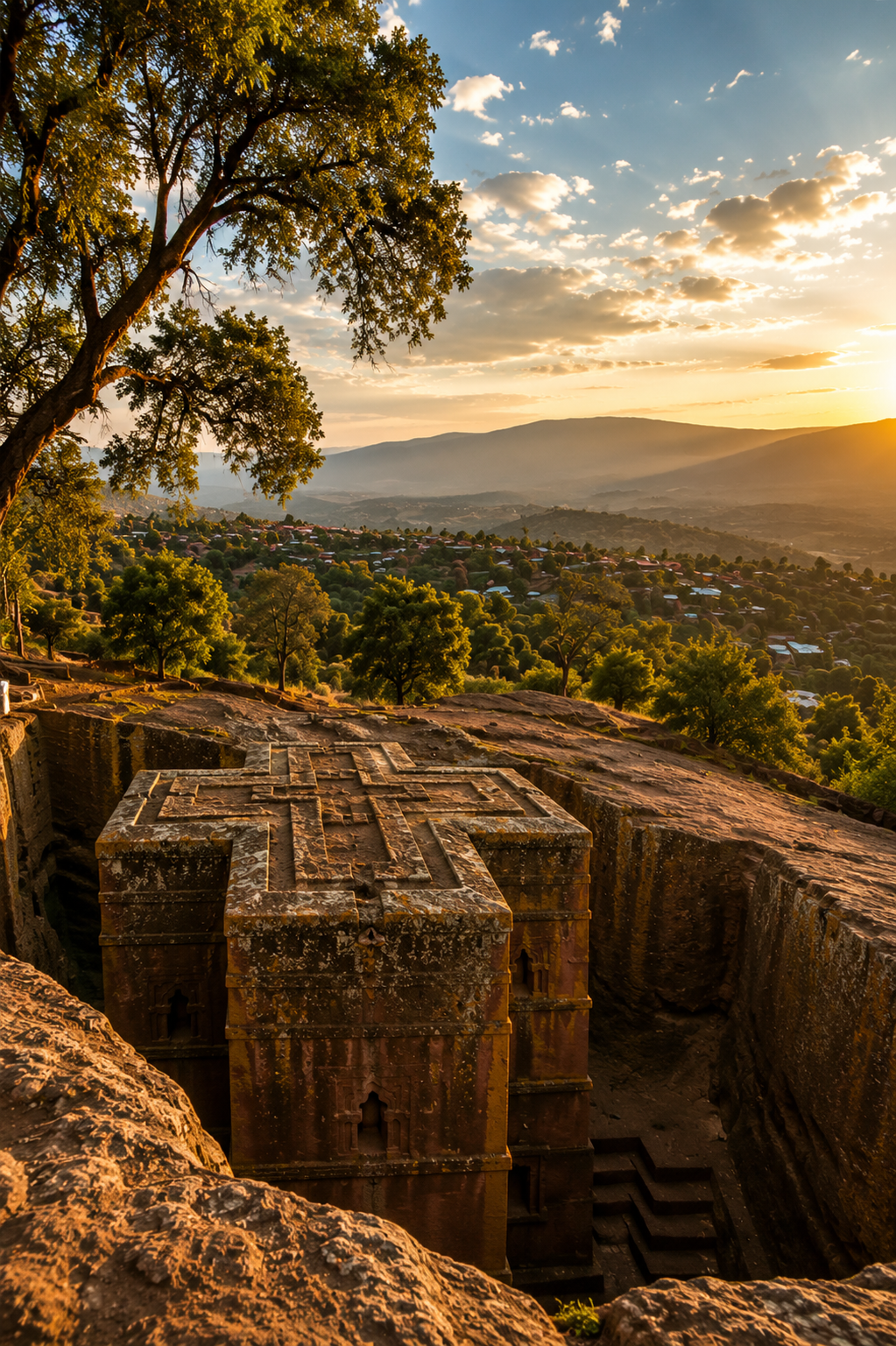
Lalibela contains one of Ethiopia's most famous cultural treasures: its medieval rock-hewn churches.
The complex is a UNESCO World Heritage property and remains an important place of Ethiopian Orthodox Christian worship as well as an internationally recognised heritage site.
However, Lalibela is in the Amhara Region, and the UK FCDO currently advises against all travel to Amhara. It should therefore not be presented as a routine current recommendation to UK travellers.
Keep Lalibela on a future-trip list and reconsider it only when official travel advice, local conditions, transport access and insurance permit.
Gondar is known for Fasil Ghebbi, while Simien National Park is famous for jagged mountain scenery and rare wildlife.
UNESCO describes the Simien landscape as a dramatic system of peaks, valleys and steep precipices and highlights species including the Walia ibex, gelada and Ethiopian wolf.
Both Gondar and the Simien Mountains are in Amhara, which is currently subject to UK FCDO advice against all travel. Travellers following UK guidance should therefore not build them into a current itinerary unless that advice changes.
Aksum is one of Ethiopia's major UNESCO-listed archaeological destinations and a central location in the history of the ancient Aksumite civilisation.
It lies in the Tigray Region.
As of the latest guidance reviewed for this page, UK FCDO advises against all travel to Tigray, and civilian flights to and from the region have been suspended since January 2026. Aksum should therefore be treated as a heritage destination to consider in the future rather than a normal current itinerary stop.
The Danakil Depression is known for extreme desert scenery, geological formations and volcanic landscapes.
It is also remote, exceptionally hot and dependent on changing transport and security conditions.
Current UK guidance says foreign nationals are unable to travel to airports in Afar regional state because of Ethiopian authority restrictions, while additional FCDO warnings apply near the Eritrean border.
Do not plan a Danakil journey solely on the basis of photographs or an old itinerary. Verify official advice, current access and operator arrangements immediately before making commitments.
I have a very good experience of tripur tours. The service was professional and friendly throughout the journey.
Read moreExcellent service. We were delighted with the experience and received very helpful and professional support.
Read moreBeing together with Tripur for my leisure guest and corporate events was a very professional experience.
Read moreHowever, there is no single perfect month for every part of Ethiopia.
For a general sightseeing trip, October to January is one of the most attractive periods to visit much of Ethiopia, particularly the central and northern highlands when travel conditions allow.
Official Ethiopia tourism guidance says the main rains generally begin in June and peak during July and August in the central and northern highlands. It describes the period from mid-October to January as an optimum time because the main rains have ended while much of the countryside remains green.
This is one of the strongest periods for a first trip. Expect generally drier highland conditions, greener scenery after the rains and important cultural celebrations during parts of the season. It can also be a busier travel period, particularly around major festivals.
The later dry season can still work well for many routes. Landscapes gradually become drier in some areas, while southern rainfall patterns can differ from those of the central and northern highlands. This can suit travellers who prefer to avoid the busiest weeks of the traditional peak season.
These are the wettest months across much of the central and northern highlands. Addis Ababa and highland destinations can feel cool and damp, and rural road journeys may become slower. The advantage is greener landscapes and, in some destinations, fewer visitors.
This can be a beautiful transition period. Rainfall begins to decrease across much of the highlands, vegetation is lush and Ethiopia's festival calendar becomes particularly interesting.
When choosing dates, always combine seasonal information with current security and access information. Good weather does not automatically mean that every region is appropriate to visit.
Ethiopia's religious and cultural calendar is one of the country's major attractions.
Meskel is an important Ethiopian Orthodox Christian festival commemorating the discovery of the True Cross. Public celebrations feature ceremonies, processions and large bonfires, with Addis Ababa's Meskel Square one of the country's best-known gathering places.
Timkat is the Ethiopian Orthodox celebration of Epiphany. Ceremonial processions, colourful umbrellas, white traditional clothing and religious observances make it one of Ethiopia's most visually distinctive annual events. Choose the place where you experience the festival according to current official advice.
Ethiopian Orthodox Christmas, known as Genna or Ganna, is observed in January and is particularly significant within Ethiopia's Christian communities. Church services, fasting traditions and family gatherings are important parts of the celebration.
Enkutatash marks the Ethiopian New Year in September. It arrives around the transition out of the main rains, when many highland landscapes are especially green.
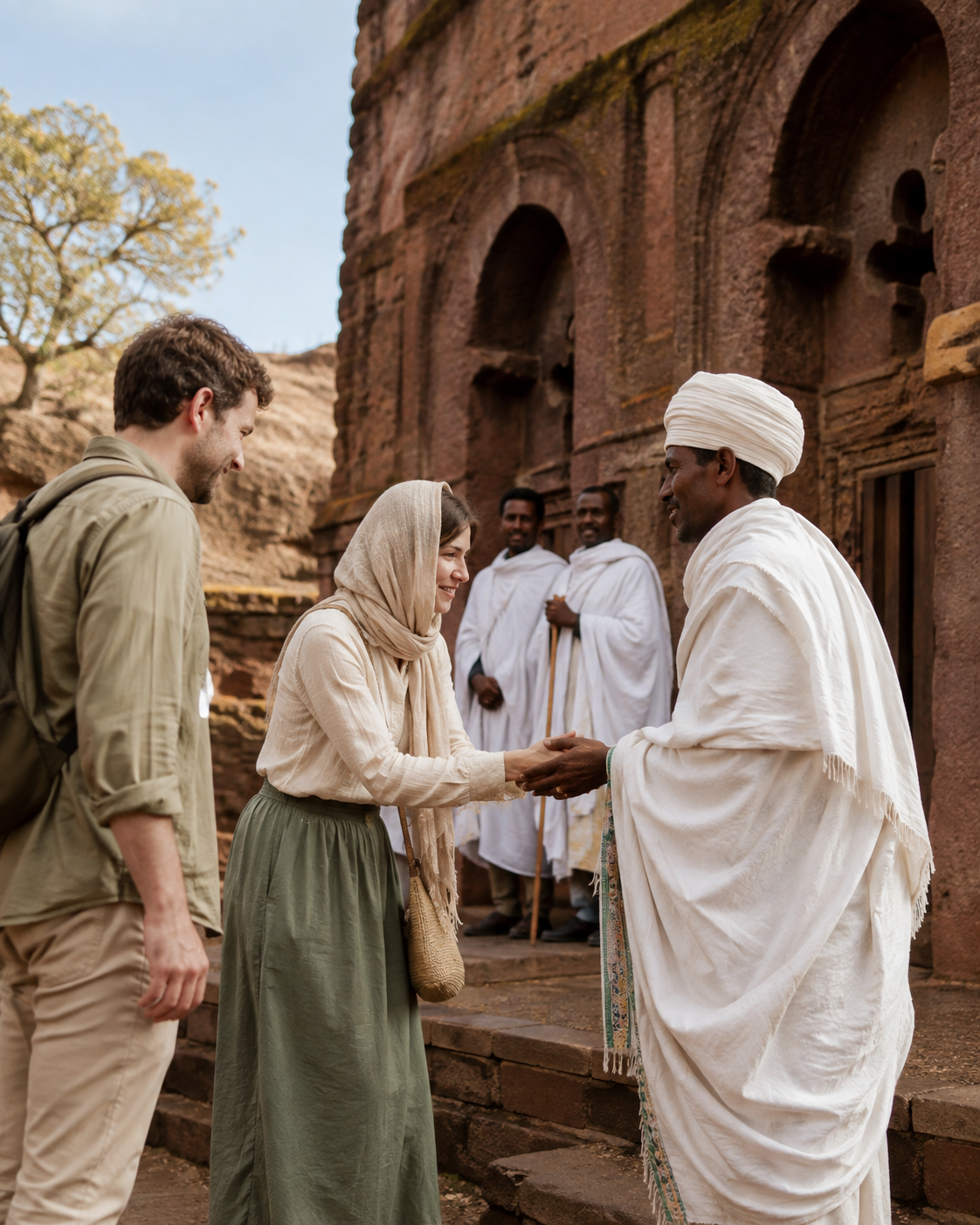
Ethiopia is culturally and religiously diverse, so customs vary between regions and communities. Visitors will generally make a better impression by dressing relatively modestly, especially at churches, mosques and in more traditional communities.
Remove shoes where requested, follow instructions from religious attendants and avoid photographing worshippers at close range without permission.
Interactions often feel more relaxed when visitors do not rush straight into a transaction or a photograph.
When visiting local communities, ask your guide about photography rules in advance. Permission should not be assumed simply because an area receives tourists.
UK FCDO guidance recommends respecting local religious customs and dressing conservatively, particularly at Ethiopian Orthodox religious sites and outside Addis Ababa.
Food is one of the highlights of travelling in Ethiopia. Injera, rich stews, grilled meats, fasting dishes and the country's famous coffee culture are all part of the experience.
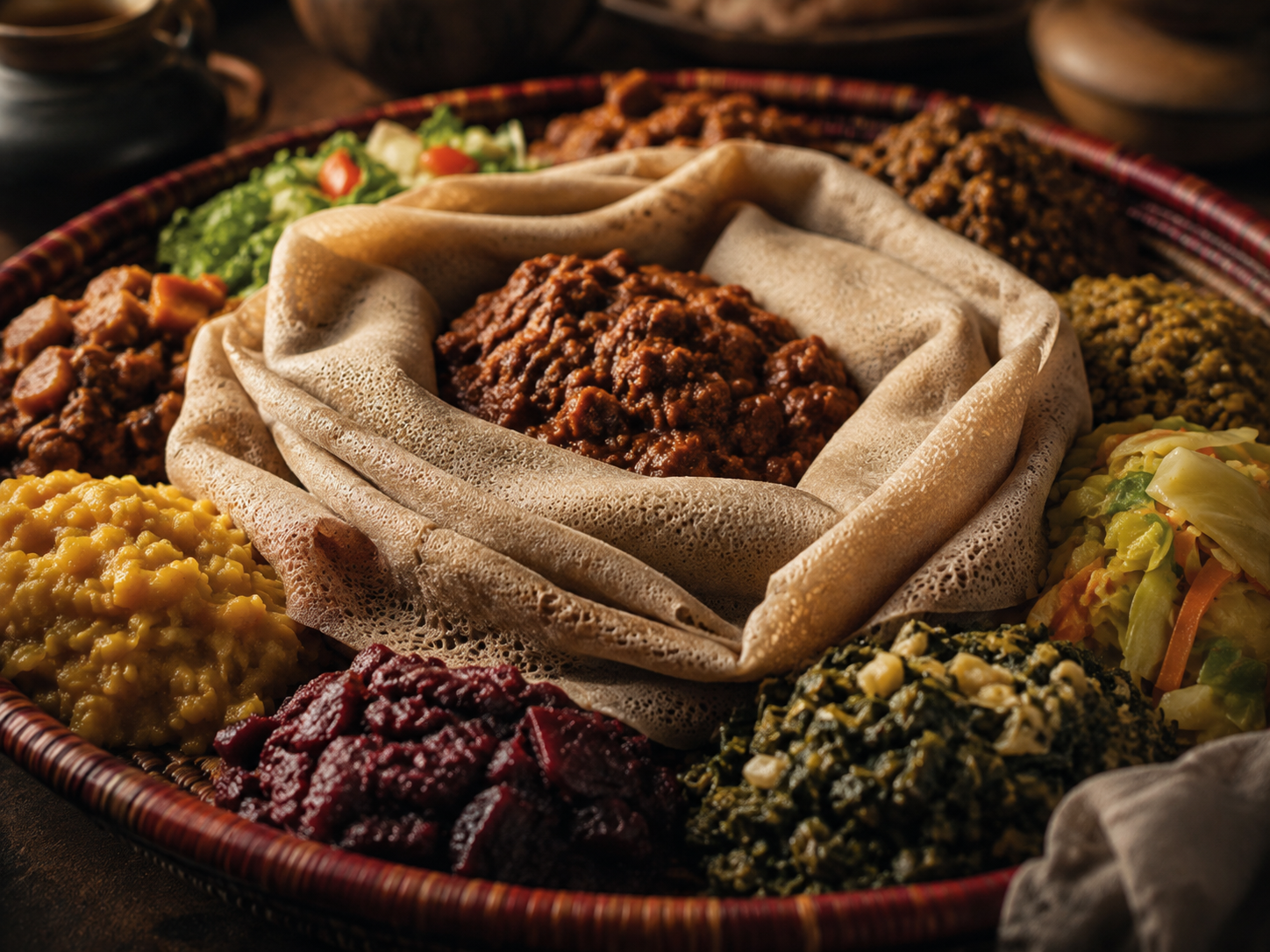
The soft, slightly sour flatbread that forms the foundation of many Ethiopian meals and is traditionally used both as the base for sauces and vegetables and as the utensil for eating them.

A rich, spiced chicken stew often associated with special occasions and celebrations.

A comforting chickpea- or pulse-based stew, widely eaten across Ethiopia and especially useful for meat-free travellers.

Pieces of sauteed or grilled meat prepared in a range of styles and seasonings.

Traditional coffee ceremonies involve roasting, grinding and brewing coffee in stages and are closely connected with hospitality and social interaction.
Ethiopian Orthodox fasting traditions have helped create a strong range of plant-based dishes. A mixed vegetarian platter can include lentils, pulses, greens, vegetables and spicy stews served over injera. Make time for both an organised coffee ceremony and a good local coffee house during your trip.
Ethiopia is often overlooked as a wildlife destination, but its highlands support species found in few or no other places.
The country's most iconic endemic mammal, strongly associated with high-altitude ecosystems such as the Bale Mountains.
The Walia ibex is closely linked to the Simien Mountains, while geladas are another famous highland species.
Birdwatching is also a major reason to travel. Official tourism guidance notes that November to March can be particularly rewarding for birders because resident species are joined by migratory birds from the Palaearctic region. As with cultural attractions, wildlife plans should be based on current regional access as well as season.

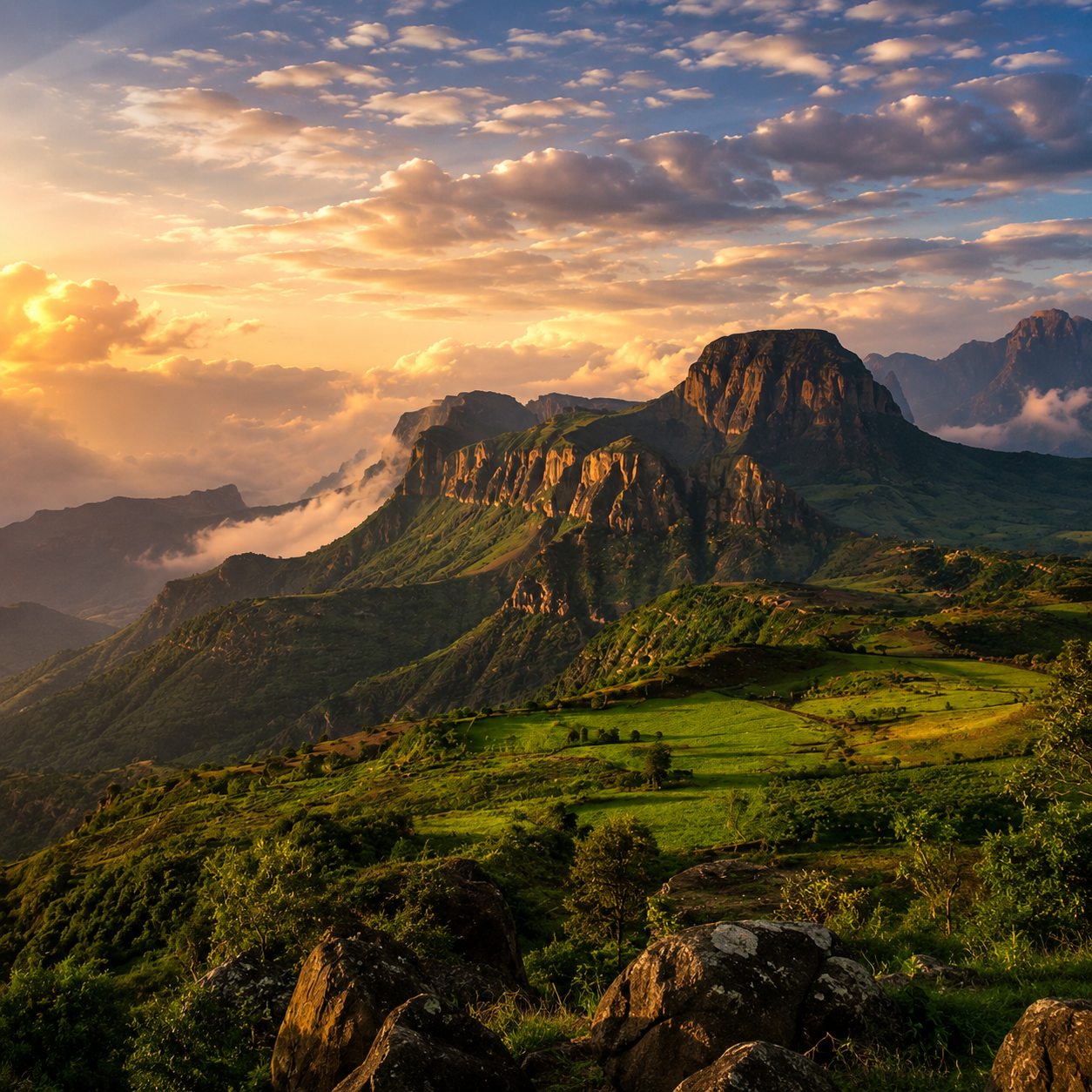
Entry and health requirements can change. Check official sources shortly before travel and allow enough preparation time.
Entry requirements depend on your nationality, so travellers should always check the rules that apply to the passport they will use.
The official Ethiopian eVisa service states that citizens of all countries are eligible to apply for a tourist eVisa provided they meet the requirements.
Applicants need a recent passport-sized photograph and a passport valid for at least six months from the intended date of entry into Ethiopia. The official service says normal tourist eVisa processing is around three days, although travellers should allow extra time rather than relying on the minimum processing period.
For British citizens, current UK guidance states that a visa is required for tourism and recommends applying online before arrival. It also says a British passport must be machine-readable and valid for at least six months after arrival in Ethiopia.
Visa rules, fees and procedures can change. Always complete the application through the official Ethiopian immigration/eVisa service and verify the requirements shortly before travel.
Health planning should begin well before departure.
UK government guidance recommends checking vaccination and health advice at least eight weeks before travelling. Current risks listed for Ethiopia include yellow fever, malaria, dengue and other diseases, with malaria common in many areas below 2,000 metres.
Addis Ababa sits at a high elevation, and altitude can affect some visitors. Take the first day gently, stay hydrated and seek professional medical help if significant symptoms develop.
Water-borne illness is another consideration. Use safe drinking water and follow current professional travel-health advice.
Comprehensive travel insurance is important, particularly if your itinerary includes rural, mountain or remote areas. Medical facilities outside Addis Ababa can be limited.
Distances can be deceptive on a map, and journeys often take longer than first-time visitors expect.
Flights can save considerable time on long journeys, although routes and regional airport access can be suspended at short notice. Check both the airline and current government travel advice before relying on a flight as part of a fixed itinerary.
For rural areas, wildlife trips and more complicated routes, a reputable driver or locally experienced tour operator can simplify logistics. Confirm the route, vehicle, accommodation, guide arrangements and cancellation terms before paying.
Road conditions vary substantially. UK guidance advises against driving after dark outside Addis Ababa and notes that mobile networks can be unreliable and roads can close because of demonstrations or security incidents. Check local conditions before long-distance journeys.
The Ethiopian birr is the local currency. Ethiopia remains heavily cash-based, particularly outside larger hotels and city businesses. Card payments and ATMs may be limited or unreliable outside major urban areas, so carry a sensible cash reserve without carrying unnecessarily large amounts.
Check current customs requirements before travelling with substantial amounts of money.
The ideal trip length depends on how much travelling between regions is involved.
A short stay works best as an Addis Ababa city break or extended stopover. Focus on museums, food, coffee, cultural sites and one or two local excursions rather than trying to cross the country.
A week or slightly longer allows Addis Ababa to be paired with one additional region that is appropriate to visit under current travel advice. This pace is more realistic than attempting to recreate an old-style northern-and-southern circuit in a single week.
Two weeks gives more flexibility for mountain scenery, cultural destinations or the south, depending on current access. Build spare time into the schedule because road conditions, weather and transport changes can affect plans.
Keep the itinerary flexible, prepare for altitude and changing conditions, and make room for slower travel.
Check travel advice shortly before every regional journey. Conditions can change after you arrive in the country.
Addis Ababa and several mountain areas sit at significant elevation.
Electronic payments should not be your only option.
Ethiopia is not uniformly hot. Highland mornings and evenings can feel surprisingly cool.
Conservative clothing is useful for religious and rural locations.
This is especially important during worship and community visits.
A slower trip usually provides a better experience than moving every day.
Local knowledge is valuable for wildlife, culture, mountains and changing transport conditions.
Weather, security restrictions and transportation can all alter an itinerary.
Confirm that the policy covers your exact route and planned activities and remains valid in light of official travel warnings.
There is no useful one-word answer to this question because conditions vary significantly by region.
As of the latest review of this guide in August 2026, the UK FCDO advises against all travel to several parts of Ethiopia, including the entire Tigray and Amhara regions, and gives additional warnings for specified areas elsewhere in the country. It also warns that restrictions may be introduced at short notice.
Travellers should also take normal city precautions. UK guidance reports theft and robbery risks in several areas and recommends remaining vigilant with phones, wallets and valuables.
Read the full official travel advisory for your nationality, check your travel insurance and research each region on your proposed itinerary separately. Do not rely solely on social media comments, an old blog post or the fact that another traveller recently completed the same route.
Some of Ethiopia's strongest travel experiences involve living cultures, religious spaces and environmentally sensitive landscapes. Responsible travel means more than reducing plastic.
Choose local guides and businesses where practical, respect photography rules, follow trail and conservation guidance and avoid pressuring people to participate in staged cultural encounters.
At religious sites, remember that churches and mosques are active places of worship rather than simply tourist attractions.
In culturally sensitive communities, quality should be measured by what you learn and how respectfully the visit is managed, not by how many portraits you collect.
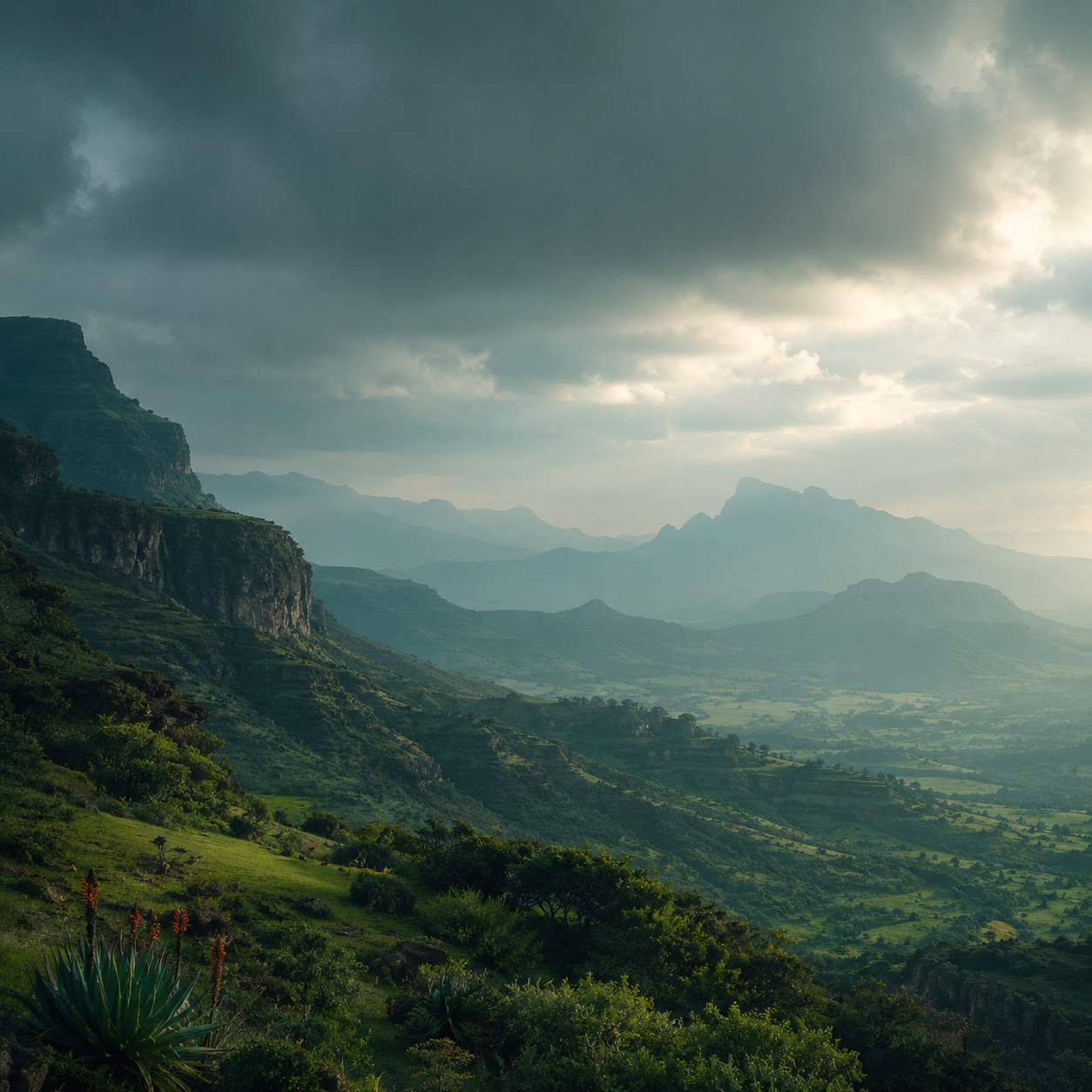
Ethiopia offers something increasingly difficult to find in heavily visited destinations: a journey in which history, religion, landscape, food and everyday culture remain closely connected.
You can begin the morning with strong Ethiopian coffee, spend the afternoon exploring a museum or mountain landscape and finish the day eating injera from a shared platter.
Its UNESCO-listed heritage stretches from ancient archaeology and sacred architecture to living cultural landscapes and high-altitude ecosystems.
At the same time, Ethiopia is a destination that deserves thoughtful preparation. Plan around what is genuinely accessible, keep the itinerary flexible and give each place enough time.
Quick answers for planning a trip to Ethiopia. Always verify time-sensitive visa, access and safety information shortly before travel.
Yes, for travellers interested in history, culture, food, landscapes and unusual wildlife, Ethiopia can be a highly rewarding destination. The key is to plan around current regional travel advice rather than automatically following traditional tourist circuits.
For many general sightseeing trips, October to January offers an attractive combination of drier weather and greener post-rain landscapes. February to May can also be suitable, while July and August are generally much wetter in the central and northern highlands. Exact conditions vary by region.
Yes. Current UK guidance says British citizens need a visa for tourism and recommends applying online before arrival. Check the latest rules before departure.
The official Ethiopian eVisa service requires a passport valid for at least six months from the intended date of entry.
For Addis Ababa alone, three to four days can work well. For a multi-region trip, allow at least seven to ten days, while two weeks or more gives a much better pace.
Lalibela is in Ethiopia's Amhara Region. As of this page's August 2026 review, UK FCDO guidance advises against all travel to Amhara. British travellers should follow current official advice and reassess only if the guidance changes.
Aksum lies in Tigray. UK FCDO currently advises against all travel to Tigray, and civilian flights to and from the region have been suspended since January 2026.
Ethiopia uses the Ethiopian birr. Cash remains important because card and ATM facilities can be unreliable, especially outside large cities.
Start with injera served with dishes such as shiro, lentils, vegetables, tibs or doro wat. Ethiopian coffee and a traditional coffee ceremony should also be high on the list.
Yes. Ethiopia is particularly interesting for highland wildlife, including the Ethiopian wolf, Walia ibex and gelada, as well as birdlife. Bale Mountains National Park is one of the country's important natural World Heritage properties.
It can be, especially for culturally curious travellers comfortable with flexible itineraries. Ethiopia's transport, altitude and changing regional conditions mean that advance research and sensible planning are particularly important.
.png)